Business
NumifiCalc · Business
Break-Even Calculator
Estimate break-even calculator results with clear inputs and transparent assumptions.
Your Results
Break-Even Units
—
Break-Even Revenue
—
Contribution Margin Per Unit
—
How the Break-Even Calculator works
Estimate break-even calculator results with clear inputs and transparent assumptions. NumifiCalc keeps the interactive calculation in your browser so the result can be produced without sending the entered numbers to a calculation server.
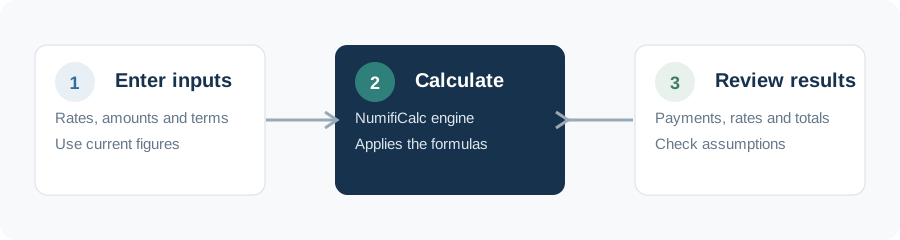
Inputs used
This calculator uses: Fixed Costs ($), Variable Cost per Unit ($), Selling Price per Unit ($). Enter current, consistent figures and keep units aligned with the labels.
Formula breakdown
The calculation engine applies the standard mathematical relationship appropriate to this tool. Results may differ from a lender, tax authority, employer, card issuer, appraiser, or accounting system when their assumptions, fees, rounding, or rules differ.
Step-by-step example
- Enter the amounts, rates, and terms shown in the form.
- NumifiCalc validates the values and applies the calculation formula.
- The results are formatted as dollars, percentages, months, units, or other relevant measures.
- Use the estimate as a planning reference and verify material figures with the appropriate official or contractual source.
Frequently Asked Questions
- What does the NumifiCalc break-even calculator do?
- It uses the values you enter to apply a standard financial calculation and presents the resulting figures in a readable format. It is intended for planning and educational use.
- What assumptions does this calculator make?
- The calculator uses the formula described below and does not account for every lender, tax authority, contract, fee, or personal circumstance. Review the assumptions before relying on a result.
- Can I use the result as a quote or filing?
- No. A calculator result is an estimate, not a lender offer, tax filing, appraisal, legal document, or financial recommendation.
- How can I make the estimate more precise?
- Use current rates, balances, terms, fees, and other inputs from your actual statement or contract, then compare the result with the applicable official source or provider.